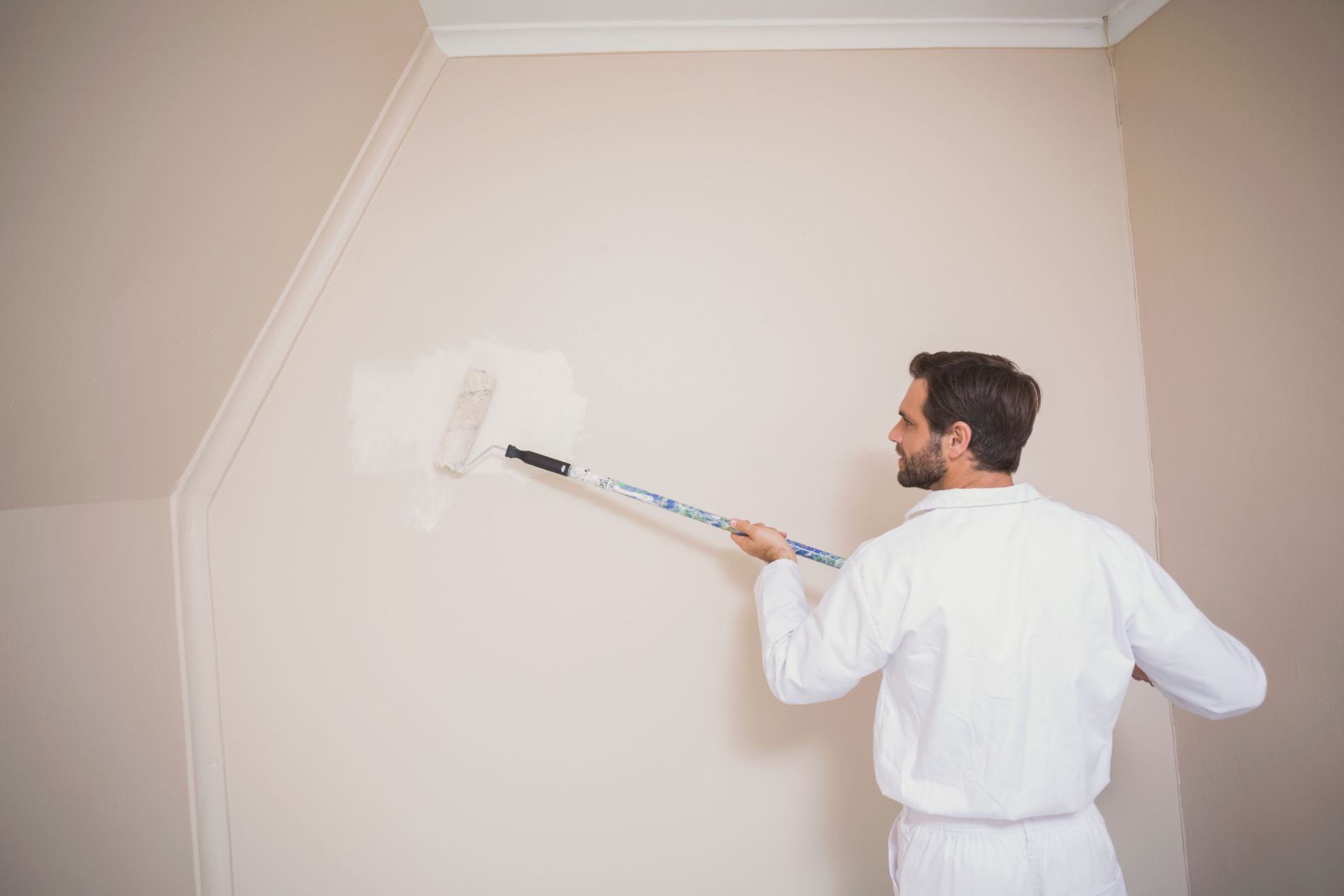
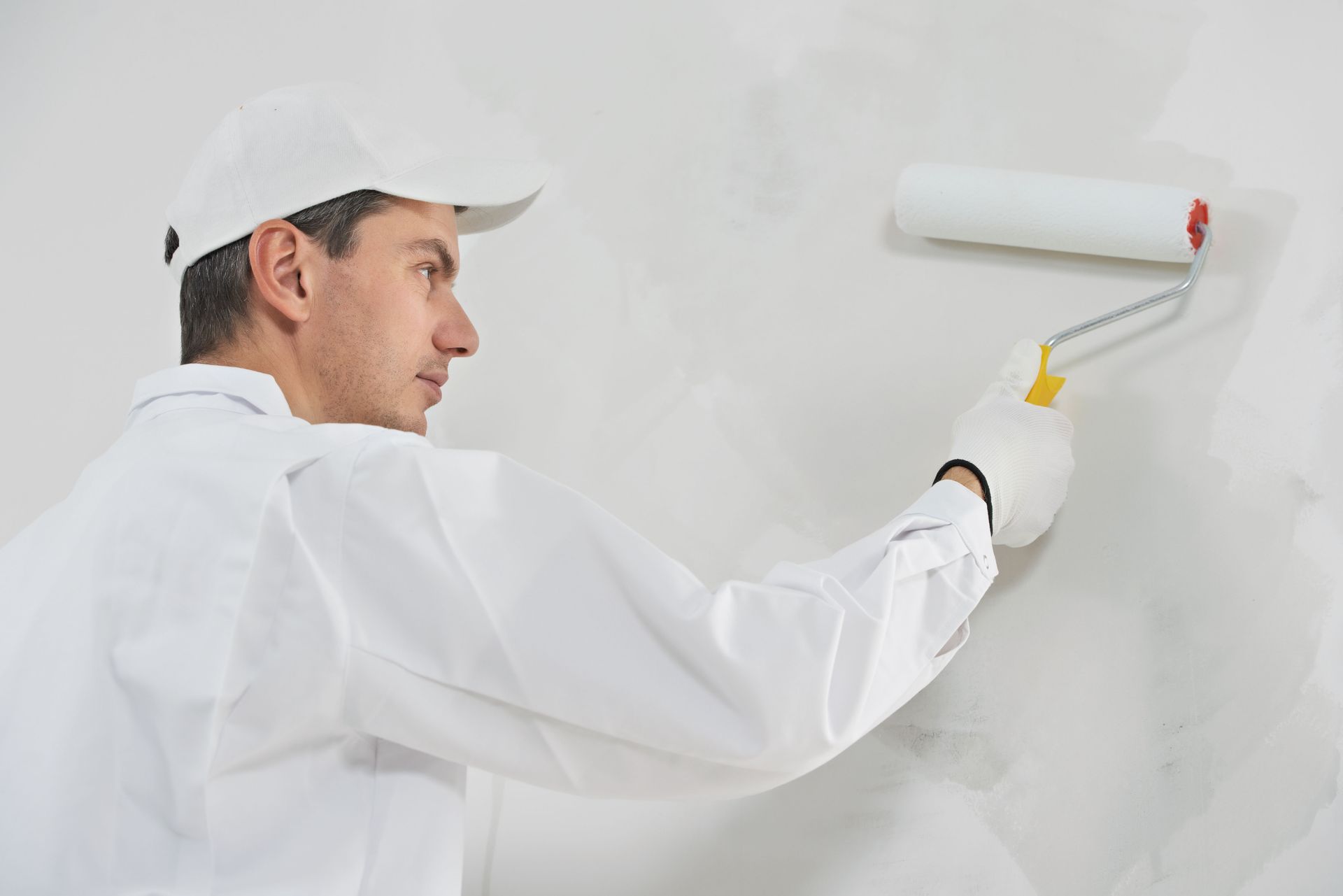
Painting is one of the most common home improvement projects homeowners consider tackling themselves. Whether refreshing a living room, updating exterior siding, or giving an entire property a new look, a fresh coat of paint can make a noticeable difference. With paint and supplies readily available at home improvement stores, doing the work independently may seem like a simple way to save money. However, painting involves more than choosing a color and applying it to a wall. Proper preparation, technique, equipment, and experience all contribute to a successful result.
Hiring a professional painting contractor can make the process easier while helping homeowners achieve a more consistent, attractive finish. Professional painters bring specialized knowledge, efficient work practices, and the right tools to handle projects of different sizes and complexities. Although DIY painting may seem appealing at first, professional services offer several advantages that can make the investment worthwhile. Understanding these benefits can help homeowners decide which approach best suits their needs, schedules, and expectations.
Achieving a More Consistent and Professional Finish
One of the biggest differences between professional and DIY painting is the quality of the finished product. While painting a wall may appear straightforward, achieving smooth, even coverage takes practice. Uneven brush strokes, visible roller marks, paint drips, and inconsistent color coverage are common problems for inexperienced painters. These imperfections can become especially noticeable in rooms with significant natural light or large, open wall surfaces.
A professional painting contractor understands how to apply paint evenly and create clean transitions between walls, ceilings, doors, and trim. Painters develop techniques through experience, allowing them to work carefully around corners, edges, and other detailed areas. They also know how much paint to apply, which tools work best for different surfaces, and how to avoid common application mistakes.
Professional painters also understand how different paint finishes affect the final appearance. For example, flat, eggshell, satin, and semi-gloss paints each have different characteristics and applications. Selecting and applying the appropriate finish can make a difference in both appearance and maintenance. With professional assistance, homeowners can feel more confident that their finished space will look cohesive and well-maintained.
Saving Time Throughout the Painting Process
Painting a home can take considerably longer than homeowners initially expect. Even a relatively small project involves several steps, including moving furniture, protecting surfaces, preparing walls, applying primer, painting multiple coats, and cleaning up afterward. When working alone, these responsibilities can quickly turn a weekend project into something that takes several weeks to complete.
Hiring professionals can significantly reduce the amount of time required. According to House Grail, professional painters can typically complete a residential painting project two times as fast as people who do it themselves. Their experience, established processes, and access to specialized equipment allow them to work efficiently without overlooking important details.
A painting contractor can also coordinate different stages of a project to minimize unnecessary delays. While one painter prepares a surface, another may begin working in a separate area. Professional crews understand how to organize their work around drying times and other project requirements.
For homeowners with busy schedules, this efficiency can be particularly valuable. Rather than spending evenings and weekends working through a lengthy painting project, homeowners can focus on their regular responsibilities while professionals handle the work. A shorter timeline also means less disruption to everyday activities, especially when multiple rooms or exterior areas are involved.
Improving Surface Preparation and Paint Durability
A successful painting project starts long before the first coat of paint reaches the wall. Surface preparation is essential for creating a smooth appearance and helping paint adhere properly. Unfortunately, it is also one of the steps homeowners are most likely to underestimate when completing a DIY project.
Walls and other painted surfaces may contain small holes, cracks, peeling paint, stains, dirt, or other imperfections. Applying new paint without addressing these problems can result in an uneven finish or premature deterioration. In some cases, existing damage may become even more noticeable after the new paint dries.
Professional painters understand how to evaluate surfaces and determine what preparation is necessary before beginning. Depending on the condition of the area, this work may include cleaning, sanding, filling holes, repairing minor imperfections, removing loose paint, and applying primer. These steps help establish a suitable foundation for the finished coating.
Working with a painting contractor can also help homeowners select appropriate products for the surfaces being painted. Interior walls, exterior siding, wood trim, and other materials may require different preparation methods and paint formulations. Using the correct products and application techniques helps improve adhesion and contributes to a more durable finish.
Although proper preparation takes time, it can help reduce the likelihood of peeling, cracking, and other paint problems. This attention to detail can make a professional painting project a worthwhile investment over time.
Avoiding Unexpected Expenses and Material Waste
Many homeowners choose DIY painting because they believe it will be less expensive than hiring professionals. While avoiding labor costs can reduce the initial expense, the total cost of a DIY project may be higher than expected. Paint, brushes, rollers, trays, drop cloths, painter's tape, ladders, sandpaper, and other supplies can add up quickly.
Homeowners may also need to purchase specialized equipment for projects involving high ceilings, exterior walls, or detailed trim. If they do not have the necessary tools, these purchases can significantly increase the overall budget. Renting equipment is another option, but rental fees can accumulate when a project takes longer than anticipated.
Material estimates can also be difficult for inexperienced painters. Purchasing too little paint may require additional trips to the store, while purchasing too much can leave homeowners with unused supplies. Choosing an unsuitable product or applying too many coats can create additional expenses.
A painting contractor can help homeowners plan their projects more effectively by estimating material requirements and identifying appropriate products. Professionals also have experience working with different paint types and surfaces, which can help limit unnecessary waste.
Additionally, mistakes can be expensive to correct. Paint spilled on flooring, damaged trim, uneven coverage, and poorly prepared surfaces may require additional materials and labor to fix. Hiring professionals can help minimize these risks and make project expenses more predictable.
Prioritizing Safety During Painting Projects
Painting may not seem like a particularly hazardous home improvement activity, but certain projects involve safety concerns that homeowners should consider. Reaching high ceilings, painting exterior siding, and working around staircases can require ladders, scaffolding, and specialized equipment. Without the proper experience, these situations can increase the risk of falls and other injuries.
Professional painters are familiar with the equipment and precautions needed to work in challenging environments. They understand how to position ladders, access elevated surfaces, and organize work areas to reduce potential hazards. A professional crew also has experience handling tools and materials that may be unfamiliar to the average homeowner.
Paint products can present additional considerations. Some coatings produce strong odors or require specific ventilation and protective equipment during application. Sanding older painted surfaces can also create dust that requires careful handling. Professionals understand the importance of following product instructions and using appropriate precautions.
Hiring a painting contractor allows homeowners to avoid taking on many of these physical responsibilities themselves. This can be particularly helpful for large exterior projects, homes with multiple stories, or spaces with difficult-to-reach areas. Rather than risking an injury to save on labor expenses, homeowners can leave challenging tasks to people with the appropriate experience and equipment.
Hiring a professional
painting contractor offers several advantages, including better finish quality, faster completion, proper surface preparation, and fewer unexpected expenses. Professional services can also reduce safety concerns and make the entire experience more convenient.
For homeowners who want attractive, consistent, and lasting results, professional painting is worth considering. Lundy Company Inc can help homeowners approach their painting projects with the knowledge and experience needed to achieve their desired results. Contact us today for more information.